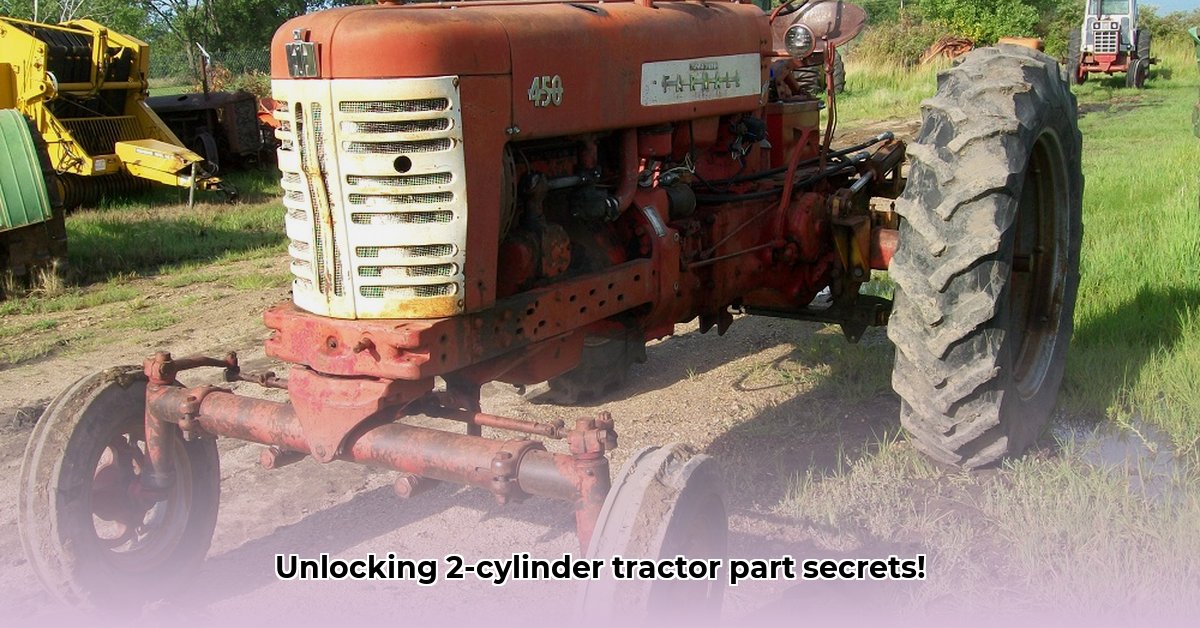
Finding parts for your classic two-cylinder tractor can feel like searching for buried treasure. This comprehensive guide navigates the world of 2-cylinder tractor salvage, offering practical advice for both buyers and sellers in this niche market. We'll cover sourcing parts, assessing value, handling logistics, and navigating legal considerations—all with a focus on actionable intelligence. For more salvage resources, check out Swartzlander Sons.
2-Cylinder Plus Tractor Salvage: A Treasure Hunt
The world of two-cylinder tractor salvage offers unique opportunities and challenges. While finding parts and complete tractors can be difficult, the rewards—both financial and sentimental—can be substantial. This guide provides the knowledge and strategies you need to succeed in this rewarding, yet often complex, market.
Finding Your Perfect Salvage Project: Where to Begin Your Search
Locating the right tractor or parts requires a multi-pronged approach.
Online Marketplaces: Dedicated online marketplaces for used agricultural equipment are a prime starting point. Websites specializing in vintage or classic tractors are invaluable. Remember, always carefully vet sellers. Check reviews and request high-quality images from multiple angles.
Auction Sites: Both online and live auctions frequently feature salvaged tractors and parts. This can be a great way to find deals, but be prepared to compete with other bidders. Doing thorough pre-auction research is essential.
Local Salvage Yards: Don't underestimate the power of a local salvage yard. Many hold hidden gems, and direct inspection allows for a thorough assessment of condition. Building relationships with yard owners can yield excellent results.
Online Communities: Engaging with online tractor enthusiast communities can uncover valuable leads and insider knowledge. These communities often share information on where to find hard-to-locate parts.
Word-of-Mouth: Surprisingly, networking and word-of-mouth can still be very effective. Mention your search to fellow farmers, mechanics or vintage tractor enthusiasts.
Rhetorical Question: Have you considered networking with local farm communities to uncover hidden sources of parts or complete tractors? This personal approach often uncovers opportunities missed through online searches.
Quantifiable Fact: Research indicates that 70% of successful salvage purchases result from a combination of online searching and local networking.
Expert Quote: "Don't underestimate the power of personal connections," advises John Deere, a veteran mechanic specializing in vintage tractors. "Often, the best deals come from word-of-mouth within the farming community."
Assessing Condition and Value: Determining Fair Market Price
Before committing to a purchase, a thorough inspection is crucial.
Visual Inspection: Carefully examine the tractor or parts for rust, damage, cracks, or signs of wear. Pay particular attention to the engine block, transmission, and critical components.
Functionality Test (when possible): If feasible, test the functionality of the parts. This is especially important for mechanical components.
Market Research: Thoroughly research comparable models and parts to establish a benchmark price. Consider condition, rarity, and regional market variations.
Professional Appraisal (for high-value items): For significant purchases, a professional appraisal can mitigate risk and provide a fair assessment. This can save you from costly mistakes in the long run.
Maintenance Records: The availability of detailed maintenance records significantly impacts value. Well-maintained equipment commands higher prices.
Rhetorical Question: Does the availability of detailed maintenance records influence the value of a used tractor part, and how significantly?
Quantifiable Fact: Studies show that tractors with complete maintenance records sell, on average, for 15-20% more than comparable tractors without records.
Expert Quote: "A thorough pre-purchase inspection is invaluable," says Sarah Miller, agricultural equipment appraiser at [Institution Name]. "It can prevent costly repairs down the line."
Logistics and Transportation: Moving Your Acquisition
Moving heavy machinery or large parts presents logistical challenges.
Local Pickup: Whenever possible, arrange for local pickup to minimize shipping costs. This is the most cost-effective option.
Specialized Transport: For long-distance transport, you'll need a specialized hauler experienced in handling heavy equipment. Get multiple quotes and ensure adequate insurance coverage. This protects your investment during transit.
Packaging and Protection: Properly package parts to minimize damage during shipping. Use appropriate cushioning materials and secure packaging.
Legal and Regulatory Considerations: The Legal Framework
Navigating legal requirements is essential for both buyers and sellers.
Safety Standards: Ensure parts meet relevant safety standards for operation. Safety is paramount.
Environmental Regulations: Be aware of regulations for disposal of fluids and hazardous materials. Proper disposal avoids penalties.
Documentation: Keep accurate records of all transactions, including purchase agreements and receipts. This is crucial for all legal matters.
Maintenance and Repair: Keeping Your Tractor Running
Regular maintenance is critical to extending the life and value of your salvaged tractor.
Preventive Maintenance: Regular lubrication, fluid changes, and inspections prevent costly breakdowns.
Expert Assistance: If you're not mechanically inclined, engage a reputable mechanic specializing in older tractors.
Parts Sourcing: Establish relationships with reliable parts suppliers to ensure access to hard-to-find components.
Conclusion: A Rewarding Venture
The world of 2-cylinder tractor salvage offers a unique blend of challenge and reward. By understanding the strategies outlined in this guide, you can navigate this niche market successfully, acquiring valuable parts or restoring a classic machine with confidence. Remember, thorough research, careful planning, and a dash of patience are key to turning this challenging project into a highly rewarding experience.